
Ultimate Guide To Essential Products For Concrete Leveling Success
Learn about the key products that ensure stable, smooth, and durable concrete surfaces for any project size.
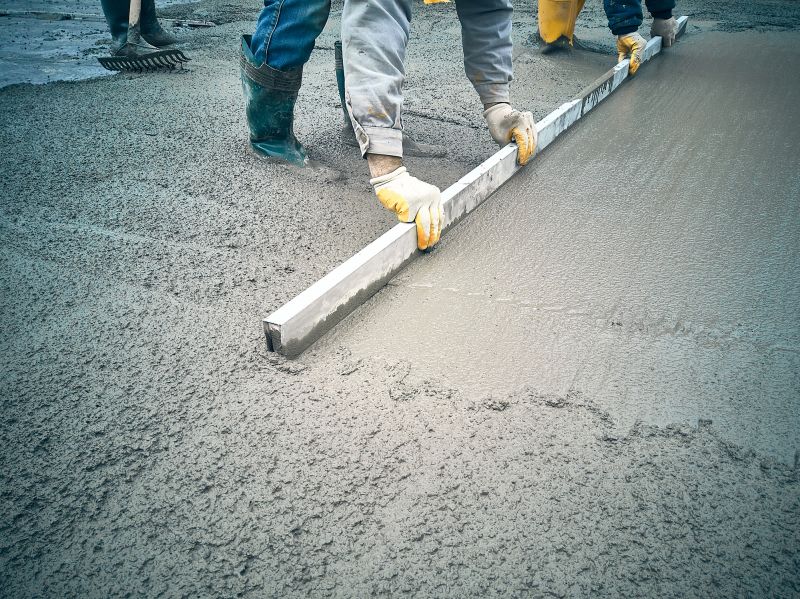 Concrete leveling is an essential process for maintaining the safety, appearance, and functionality of various outdoor and indoor surfaces. Over time, concrete slabs can settle, crack, or become uneven due to soil movement, weather conditions, or repeated use. Addressing these issues promptly can help prevent further damage and ensure surfaces remain safe and level. There are a variety of products designed to assist with concrete leveling, ranging from DIY solutions to professional-grade materials. These products are formulated to fill voids, lift slabs, and create a stable foundation for walkways, driveways, patios, and other concrete surfaces.
Top Overall Option
Polyurethane Foam for Concrete Lifting
Polyurethane foam is a popular choice for concrete lifting due to its ease of application and quick curing time. It is injected beneath the slab to fill voids and lift the concrete, providing a stable and level surface. This versatile material is suitable for various sizes of projects and can be used for indoor and outdoor applications. Its lightweight nature minimizes additional stress on the existing slab, making it a reliable option for many repair scenarios.
Types of Products For Concrete Levelings
Polyurethane Foam
Injected beneath slabs to lift and stabilize uneven concrete surfaces, suitable for small to large repairs.
Polymeric Patching Compounds
Used to fill cracks and surface imperfections, providing a smooth finish for concrete surfaces.
Hydraulic Cement
Quick-setting material ideal for sealing cracks and small voids in concrete.
Self-Leveling Underlayment
Designed to create a flat, smooth surface on existing concrete floors before finishing.
Concrete Resurfacing Products
Overlay materials that restore the appearance and surface integrity of worn or damaged concrete.
Mudjacking Slurry
A mixture of water, soil, and cement used to lift and stabilize sunken slabs.
Epoxy Injection Systems
Used for structural repairs and to fill deep cracks in concrete surfaces.
Polymer Modified Cement
Enhanced cement mixes that improve adhesion and durability for repairs.
Concrete Sealants
Protective coatings that help prevent future damage and surface deterioration.
Grout for Concrete
Fills gaps and voids, providing additional support and stability.
Acrylic Resurfacing Coatings
Flexible overlays that improve surface appearance and resist cracking.
Fiber Reinforced Concrete
Adds tensile strength to concrete mixes for enhanced durability.
Liquid Leveling Compounds
Pourable products that fill low spots and create a level surface.
Polymer-Modified Microtoppings
Thin overlays used to correct surface imperfections and enhance appearance.
Concrete Repair Mortars
Heavy-duty mixes for patching and rebuilding damaged concrete sections.
Cementitious Grouts
Used to fill voids and reinforce concrete structures.
Injection Epoxy
Used for structural crack repairs and strengthening concrete elements.
Surface Bonding Agents
Improve adhesion between old and new concrete layers during repairs.
Popular Choices
Widely used for raising sunken slabs with minimal disturbance to surrounding areas.
Commonly selected for quick sealing of cracks and small repairs.
Popular for smoothing floors and preparing surfaces for finishing.
Chosen for restoring worn or damaged surfaces with a fresh look.
Frequently used for raising and stabilizing uneven concrete slabs.
Preferred for structural crack repairs and reinforcement.
Popular for decorative overlays and surface protection.
Used for thin repairs and surface leveling with a smooth finish.
Commonly applied to protect surfaces from future damage.
Favored for filling low spots and achieving a level surface quickly.
Chosen for durable repairs in high-stress areas.
Used for void filling and structural support.
Popular for decorative finishes and surface leveling.
Often used to improve adhesion during repair projects.
Selected for long-lasting patching and rebuilding.
Commonly used for structural crack repairs.
Used for sealing joints and minor cracks.
Choosing the right product for concrete leveling depends on several factors including the size of the area, the extent of the unevenness, and the specific conditions of the site. Many products are designed for easy application, allowing homeowners and contractors to perform repairs without extensive equipment or specialized skills. Proper preparation and understanding of each product's application method can lead to more effective and long-lasting results. It is important to follow manufacturer instructions carefully to ensure safety and optimal performance.
In addition to the type of product, considering the compatibility with existing concrete, the drying or curing time, and the overall cost is crucial. Some products are formulated for quick setting, while others may require longer curing periods. Selecting the appropriate product can help achieve a level surface that restores functionality and improves curb appeal without unnecessary delays or expenses. Consulting with local professionals or reading customer reviews can provide additional insight into the most suitable options for specific projects in Hudson, WI. Properly selected and applied products for concrete leveling can make a significant difference in the durability and appearance of your surfaces over time.
Key Buying Considerations
- Determine the extent of unevenness or damage to select the appropriate product type.
- Consider the size of the area needing repair to estimate the quantity of material required.
- Evaluate the application method to ensure it matches your skill level and project scope.
- Check curing or drying times to plan your repair schedule accordingly.
- Assess the compatibility of the product with existing concrete surfaces.
- Review the product's strength and durability specifications for your specific use case.
- Consider whether the product is suitable for indoor or outdoor use based on environmental exposure.
- Look into the ease of application, especially if opting for DIY repairs.
- Examine the product’s capacity to fill voids or level surfaces effectively.
- Review safety instructions and handling procedures to ensure safe use.
- Compare costs in relation to the coverage area and expected longevity of the repair.
- Check for any special preparation requirements before applying the product.
- Determine if the product requires professional equipment or can be applied manually.
- Look for products with good customer feedback and reputable manufacturer support.
- Consider future maintenance needs and whether the product offers protective benefits.
This page contains affiliate links. We may earn a commission if you choose to purchase through these links, at no additional cost to you.